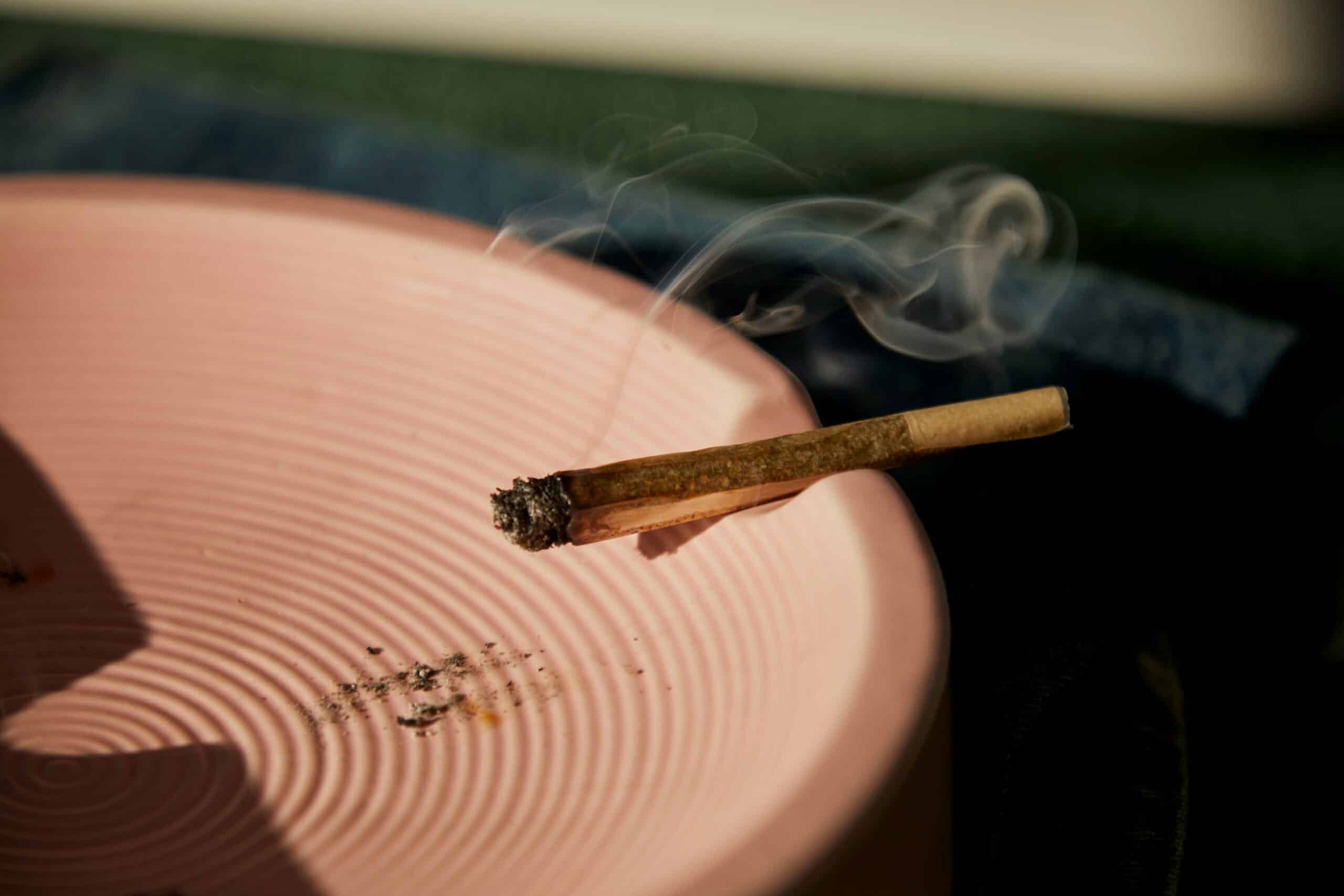

Getting a good night’s sleep can be difficult, especially when your mind won’t slow down at the end of the day. For some cannabis consumers, cannabinoids such as THC, CBD and CBN have become part of their nighttime routine.
While research into cannabis and sleep is still developing, some studies suggest that certain cannabinoid combinations may help with sleep quality and nighttime awakenings. However, cannabis affects everyone differently, and more research is needed before it can be considered a proven treatment for insomnia.
Why Do People Use Cannabis Before Bed?
One reason people turn to cannabis at night is its potential to help them relax and wind down. THC can produce feelings of relaxation and drowsiness, while CBD is non-intoxicating and is often used by people who want a more mellow experience.
For some people, the goal isn’t to feel heavily intoxicated — it’s simply to feel relaxed enough to get comfortable and fall asleep.
This is where low-dose cannabis edibles can be appealing.
Why Choose an Edible for Nighttime?
Unlike smoking or vaping, edibles are processed through the digestive system, so their effects generally take longer to appear and can last longer.
That longer-lasting effect may make an edible appealing for someone looking for a nighttime option. However, it also means you need to be patient with edibles. Taking more because you don’t feel the effects immediately can result in an unexpectedly strong experience later.
For a nighttime routine, starting with a low amount and allowing plenty of time for the effects to develop is important.
THC, CBD or CBN: What’s the Difference?
THC
THC is the cannabinoid responsible for the traditional cannabis “high.” It may help some people feel relaxed and sleepy, but more THC doesn’t necessarily mean better sleep.
Higher amounts can leave some people feeling overly intoxicated, groggy or sluggish the following morning. Research has also found that THC-containing formulations can have more adverse effects, so keeping THC modest may be preferable for people who are sensitive to it.
CBD
CBD doesn’t produce the same intoxicating effects as THC. It’s commonly included in nighttime products because consumers may want relaxation without a strong high.
However, the evidence for CBD specifically treating insomnia is still limited and mixed. A systematic review found promising signals but concluded that there isn’t enough high-quality evidence to make definitive claims about CBD as an insomnia treatment.
CBN
CBN, or cannabinol, has become especially popular in products marketed for nighttime use.
Research is still limited, but a randomized controlled study found that 20 mg of CBN reduced nighttime awakenings and overall sleep disturbance compared with placebo, without increasing daytime fatigue. The study did not find that adding CBD improved CBN’s effects.
That doesn’t mean CBN will work the same way for everyone, but it helps explain why CBN has become a popular ingredient in sleep-focused cannabis products.
A Low-and-Slow Approach May Be Better
When using cannabis edibles at night, more isn’t always better.
A product with a small amount of THC combined with CBD and/or CBN may be a better starting point for someone who wants a more relaxed nighttime experience without an intense high.
The goal should be to find the lowest amount that works comfortably for you, rather than taking a large dose simply because you want to fall asleep faster.
Higher THC amounts may increase the chances of unwanted effects such as dizziness, anxiety, impairment or next-day sleepiness.
How to Avoid Feeling Groggy the Next Morning
Nobody wants to wake up feeling like they barely slept.
If you’re experimenting with cannabis edibles as part of your nighttime routine:
- Start low and go slow.
- Choose products with modest THC levels if you’re sensitive to THC.
- Consider products containing CBD or CBN alongside lower THC.
- Give edibles enough time to take effect before considering anything else.
- Avoid combining cannabis with alcohol or other substances that cause drowsiness.
- Try your nighttime product when you don’t need to drive or perform important tasks the next morning.
- Pay attention to how you actually feel the next day, not just how quickly you fall asleep.
Remember that edible effects can vary significantly between people.
Cannabis Isn’t a One-Size-Fits-All Sleep Solution
Although cannabis may help some people relax at night, it isn’t guaranteed to improve sleep for everyone. Research on cannabis and sleep has produced mixed results, and frequent or long-term cannabis use may actually negatively affect sleep for some people.
If you’re regularly struggling to fall asleep, waking throughout the night or relying on cannabis every night to sleep, it’s worth talking with a healthcare professional to understand what’s causing the problem.
The Verdict?
For cannabis consumers interested in a nighttime option, low-dose edibles containing THC, CBD and/or CBN may be worth exploring. The key is moderation.
Rather than chasing a stronger high, think about creating a comfortable nighttime experience: a small amount, a relaxing environment and enough time to let the edible work.
And remember — the right product and cannabinoid combination can be very personal. What helps one person relax may leave someone else feeling too high or groggy the next morning.
Start low, go slow, and find what works best for you.
This article is for educational purposes only and is not medical advice. Cannabis can cause impairment and may interact with medications or health conditions. If you have persistent sleep problems or take medications, speak with a healthcare professional before using cannabis for sleep.